Ever since the pandemic, learning has taken a massive shift, and educators are now left wondering if the methods they once used in the classroom before the pandemic are still relevant in today’s classrooms. During this unprecedented time, learning took on a whole new dimension, with technology revolutionizing the way educators taught and students learned.
The traditional classroom experience of face-to-face instruction was often combined with technology in what is called blended learning. This exciting approach has attracted students and teachers alike and can create an immersive learning environment for students. Let’s take a look at the endless possibilities of using blended learning in the digital age.
What Is Blended Learning?
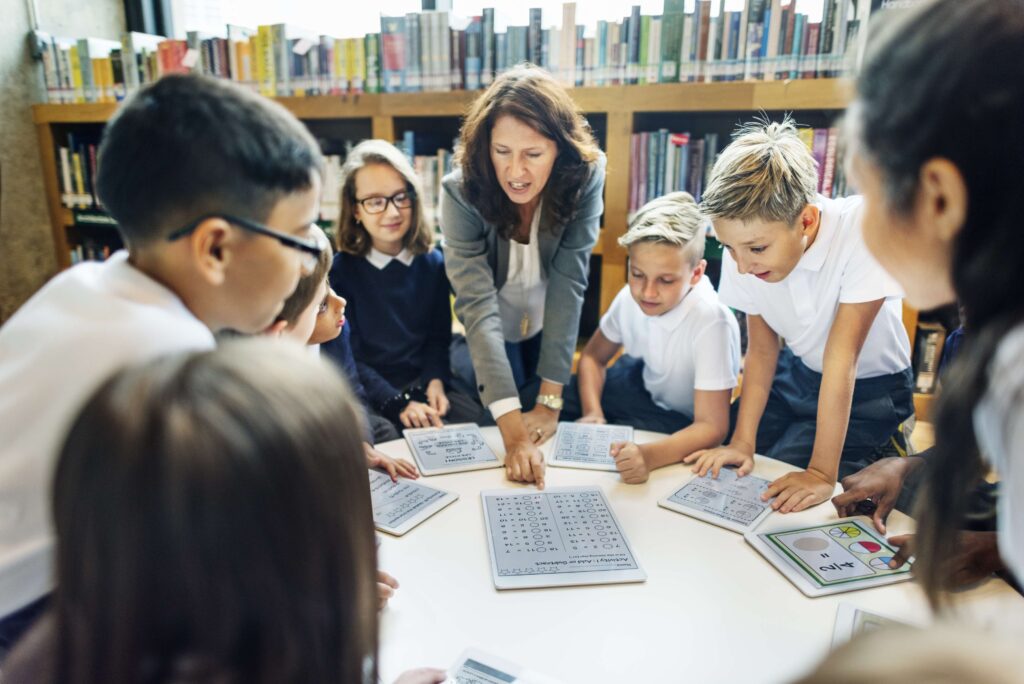
Blended learning combines in-person instruction and digital learning activities such as multimedia materials, interactive components, and virtual communication tools. It allows students to benefit from the expertise of the teachers as well as technology. This unique combination provides a flexible learning environment that caters to students’ individual needs as well as their interests and learning style.
Benefits of Blended Learning
In this digital age, technology has become an integral part of our daily lives, and education is certainly no exception. Besides offering flexibility and accessibility, blended learning has the potential to enhance outcomes for students that traditional methods cannot. Here are a few more benefits that this type of learning approach can provide for students and teachers.
Addresses Different Learning Styles
One of the advantages of blended learning is that it caters to different learning styles. By incorporating a variety of different teaching methods and digital resources blended learning is customizable to accommodate all learning styles. For example, blended learning can provide visual learners with access to visual content, such as diagrams and videos to help process information more effectively. At the same time, students who learn best through hands-on experiences can benefit from the interactive component of blended learning, such as experiments to help them gain a deeper understanding of information.
Enables Students to Learn at Their Own Pace
Blended learning offers students a remarkable level of flexibility. Unlike a traditional classroom, where students are required to progress at the same pace as their peers, a blended learning environment grants students the freedom to learn and work at their own pace. Through the utilization of digital tools, blended learning empowers students to tackle educational material at a speed that suits their unique needs and preferences.

Looking for a graduate program?
Increases Student Engagement
Blended learning uses many different materials, resources, and digital tools to enhance student engagement. When technology is integrated into lessons, it takes the monotony out of subjects like math and makes students more interested and excited about learning what they are studying. Furthermore, based on an analysis research has found that students are more motivated to learn when they have control over their learning. Experts also found that this type of learning approach increased student engagement and achievement.
Equips Students for the Future
If you’re looking for a way to prepare students for the future, then blended learning will do just that. This type of learning approach equips students with the skills they need to live in this modern world. 21st century skills, such as being proficient in technology, learning to collaborate and communicate with others, as well as utilizing critical thinking and problem-solving skills. Additionally, equipping students to become flexible and adaptable, so they are ready to take on whatever challenges may come their way.
Has the Ability to Track Student Performance
One of the many advantages that blended learning has for educators is the ability to provide valuable data on student progress and performance. Through online assessments, learning management systems, and data tracking tools, teachers can gain insights into student learning patterns, identify areas of improvement, and utilize data to help make instructional decisions that will support student success. Many of these digital tools offer real-time progress tracking too, which enables educators to see how students are engaging with the content as well as if they are meeting their objectives. This information can help target students who are struggling and help them identify who needs additional support or intervention.
Encourages Professional Development
By integrating technology into their classroom educators gain valuable experience in digital tools and the more they use them, the more technologically proficient they become. With access to online training and resources, teachers can learn to enhance their lessons to engage students and further enhance their own skills. Just as blended learning can be customized to suit the interests and learning styles of students, it can also be tailored to meet the needs of educators.
Blended Learning in the Digital Age
Blended Learning has had a profound impact on education since the COVID-19 pandemic. When schools were either closed or disrupted, schools were able to transition to blended learning through online platforms and digital resources to ensure students could continue learning. This approach to learning helped any students who faced barriers during this time because they were able to access online resources to continue their education at home.
Since the pandemic, many educators have continued this learning approach because it has helped to facilitate personalized learning experiences for students. This individualized approach enhances student motivation and engagement because it caters to all student’s specific learning needs and styles. In addition, many educators and students have become proficient in using technology because they relied on these digital tools during the pandemic.
While the COVID-19 pandemic has presented significant challenges in education, blended learning has emerged as a valuable tool to help minimize this disruption. It just shows technology has power to support teaching and learning, encourage collaboration, and adapt to changing circumstances. Blended learning has reshaped education during this time, and its impact is likely to continue even today after the pandemic is over because schools are now recognizing the benefits of incorporating these digital tools and resources into their educational practices.
Educators never stop learning; check out our available graduate degree programs to hone your skills and promote lifelong learning and academic excellence.