The Gradual Release of Responsibility Model is a teaching approach designed to encourage students to take an active role in their learning and develop the ability to work independently. It’s based on the concept that an educator will demonstrate a skill or concept for a short time, followed by a phase where students attempt the skill with little guidance. Eventually, students are released to practice by themselves. This model is planned in a way that can work within different subject areas, and grades, as well as cater to all student needs.
What is the Gradual Release of Responsibility Model?
The GRR model is a phrase coined by Pearson & Gallagher in 1983. This approach is based on the notion that students learn best when teachers slowly give them responsibility. This approach is split into four main steps: focused instruction, guided instruction, collaborative learning, and independent learning.
- Focused Instruction – The teacher models the concept giving examples or showing the steps students need to learn.
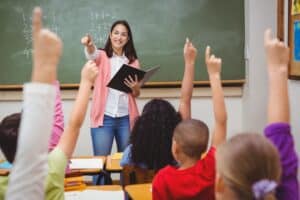
- Guided Instruction – Students work in group activities or whole class discussions as the teacher offers their guidance and support.
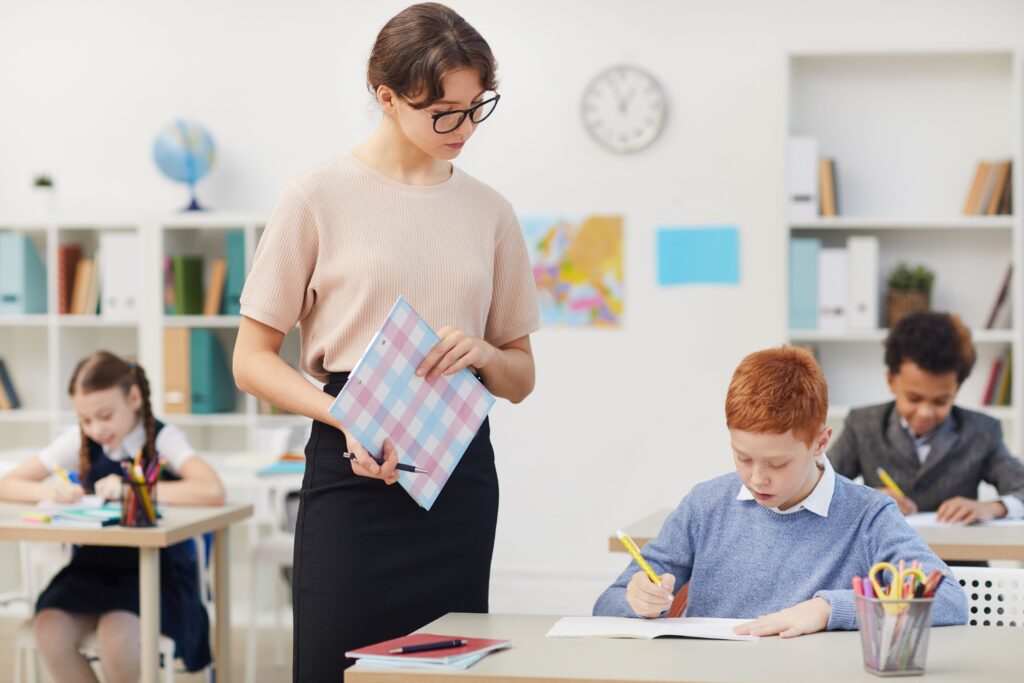
- Collaborative Learning – Students work in pairs or small groups to explore the concepts further and the teacher only steps in when needed.
- Independent Learning – Students work alone using the skills they’ve learned along the way to complete a task without any assistance.
Putting the GRR into Practice Across Subjects and Grade-Levels
Implementing The Gradual Release of Responsibility Model requires some planning and a little tweaking to fit with varied subjects and grade levels. Here’s how it might look in different subjects.
Reading and Language Arts
In younger grades, the teacher may read a story aloud to students to demonstrate fluency. Students would then get involved by reading aloud to a partner or taking turns reading in a group while the teacher helps as needed. Student may then discuss the book with their peers then continue with independent work where they read alone or write their own story.
Mathematics
The model begins with the teacher tackling a complex math problem working through each step in front of the class. Students then work in small groups while the teacher offers guidance. Next, students pair up to solve their one math problems. Finally, they work solo on starting their homework problems using the strategies they’ve learned in class without any help from the teacher.
Science
This approach starts with the teacher leading a science experiment in front of the classroom demonstrating each step of the experiment. During guided instruction, students work in small groups working through the experiment. During collaborative learning time, students work in small groups on their own experiments. During independent learning, students work alone and then share what they’ve learned.

Looking for a graduate program?
Social Studies
The teacher introduces a historical topic giving students a solid understanding of the key facts and concepts. Next, the students may analyze historical documents as the teacher guides the discussion, helping students make connections. Next, students may work in groups to dive deeper into the subject. Lastly, students work independently on research, an essay, or a project to reflect their understanding of what they’ve learned.
Benefits of Using the GRR Model
The Gradual Release of Responsibility Model changes classroom dynamics (the way classes are taught and learned) and brings many benefits to both teaching and learning. Here are a few of the advantages.
Increases Student Engagement
One of the main advantages of the GRR model is its potential to get students involved more in class. Instead of just listening to the teacher, students become active participants in their learning. Essentially, they are learning because they want to. This sense of ownership can boost their confidence and help them to grasp concepts better. This shift can also help foster a deeper understanding of the material leading to a more personalized learning experience.
Caters to Diverse Needs
This model’s approach is structured but also flexible making it easy to cater to what each student needs. When using this model, teachers can give extra support to students who need it, as well as challenge the more advanced students. This approach ensures that no one is left behind and can learn and grow at their own speed.
Encourages Essential Skills
Another benefit of this approach is it helps students become critical thinkers and problem solvers. When teachers slowly hand over the reins to the students, they learn to take charge and figure things out on their own. Learning how to work through problems by themselves is an invaluable skill they will use beyond the classroom.
Prepares Students for Lifelong Learning
The GRR model encourages independence and gives students the push they need to become driven learners. By helping students spark a passion for learning this model is laying the groundwork for lifelong learning. Learning becomes something more than just getting good grades, it becomes a part of who they are even after they leave the classroom.
The Gradual Release of Responsibility model is a learning approach that slowly moves responsibility from teacher to student, leading students to take more ownership over their learning. By gradually shifting the onus to students, you can foster a learning environment where students are engaged and involved in what they are learning. A place where students work independently, feel confident, and have the skills necessary to face this ever-changing world we live in.
Educators never stop learning; check out our available graduate degree programs to hone your skills and promote lifelong learning and academic excellence.