
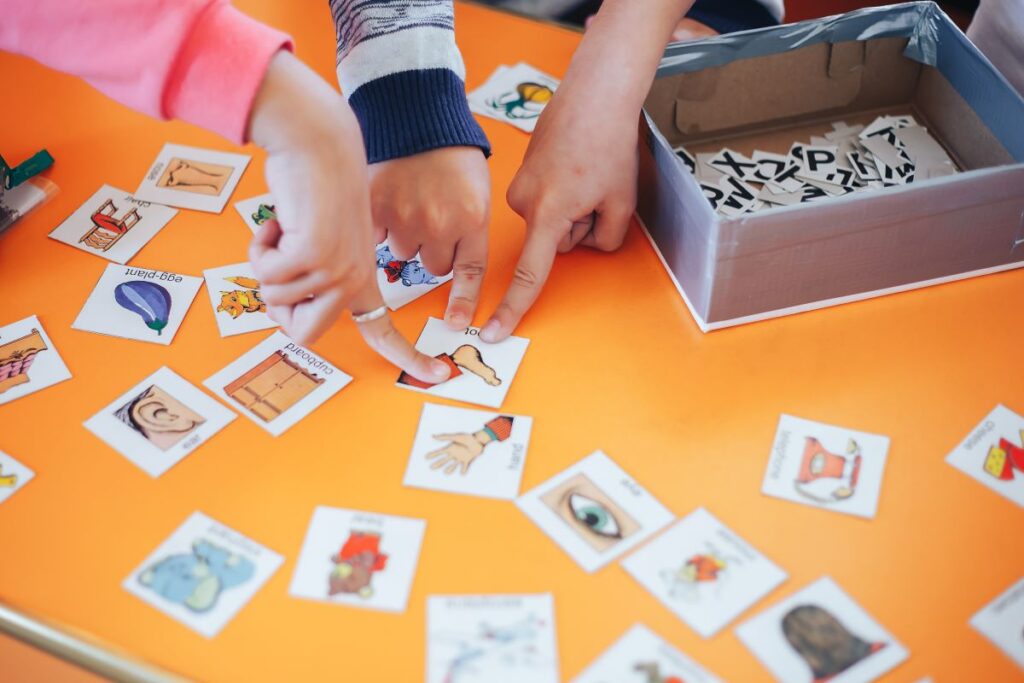
In the evolving landscape of education, where engagement and interactivity are paramount, classroom games emerge as indispensable tools for educators.
These games serve not merely as diversions but as pivotal educational strategies that foster active learning, sharpen cognitive abilities, and enhance social skills.
The Importance of Educational Games in the Classroom
Educational games are more than just enjoyable activities; they are instrumental in promoting active learning. By actively involving students in the learning process, games stimulate critical thinking, problem-solving, and decision-making.
Moreover, they foster a collaborative environment, encouraging students to work together towards common goals. This section explores the multifaceted benefits of incorporating games into the educational framework.
Cognitive Development and Retention
Games enhance cognitive development by challenging students to think critically and strategically. They often require players to analyze scenarios, make quick decisions, and anticipate outcomes, thereby enhancing mental agility.
Additionally, the interactive nature of games aids in better information retention. When students associate learning with fun, they are more likely to remember and apply the knowledge gained.
Social Skills and Teamwork
Classroom games inherently promote teamwork and communication. As students collaborate to solve problems or achieve objectives, they develop essential social skills such as empathy, negotiation, and conflict resolution.
These skills are crucial not only in educational settings but also in personal and professional spheres.
Motivation and Engagement
One of the most significant challenges in education is maintaining student motivation. Games introduce an element of competition and achievement, which can greatly enhance student engagement. The prospect of winning, coupled with the joy of playing, motivates students to participate actively and invest more effort in their learning endeavors.
Types of Educational Games for the Classroom
The diversity of educational games available today allows educators to tailor activities to specific learning objectives and student needs. This section categorizes classroom games into three primary types and discusses their applications.
Simulation Games
Simulation games replicate real-world scenarios, providing students with hands-on experience in a controlled environment. These games are particularly effective in teaching complex subjects that require practical understanding, such as economics, biology, and history.
By immersing students in realistic situations, simulation games facilitate experiential learning, allowing students to apply theoretical knowledge to practical challenges.
Strategy Games
Strategy games require players to plan, strategize, and execute plans to achieve specific goals. These games are excellent for developing critical thinking and decision-making skills.
They encourage students to weigh options, predict outcomes, and adapt strategies based on changing conditions. Popular strategy games include chess, resource management games, and puzzle-based activities.
Role-Playing Games
Role-playing games (RPGs) immerse students in character-based scenarios, requiring them to assume roles and make decisions from their character’s perspective.
RPGs are particularly effective in teaching subjects like literature, history, and social studies, where understanding diverse perspectives and historical contexts is crucial.

Looking for a graduate program?
By stepping into different roles, students gain insights into various viewpoints and develop empathy and cultural awareness.
Implementing Classroom Games Effectively
While educational games offer numerous benefits, their success depends largely on effective implementation. This section provides strategies for incorporating games into the classroom to maximize learning outcomes.
Aligning Games with Learning Objectives
To ensure that games contribute meaningfully to the curriculum, it is essential to align them with specific learning objectives.
Educators should select games that complement the subject matter and reinforce key concepts. Clear objectives provide a framework for evaluating the effectiveness of the game and assessing student progress.
Balancing Competition and Collaboration
While competition can be a powerful motivator, it is crucial to balance competitive elements with collaborative opportunities. Games should encourage students to work together, share knowledge, and learn from one another.
By fostering a supportive learning environment, educators can mitigate the negative effects of excessive competition and promote a culture of mutual respect and cooperation.
Incorporating Reflection and Feedback
After each game session, it is important to facilitate reflection and discussion. Encourage students to share their experiences, discuss strategies, and reflect on what they learned.
Providing constructive feedback helps students identify areas for improvement and reinforces the learning objectives. Reflection also allows educators to gather insights into student engagement and adjust future game-based activities accordingly.
Case Studies: Successful Classroom Game Implementations
This section highlights real-world examples of successful classroom game implementations, showcasing the transformative impact of educational games on student learning.
Case Study 1: Role-Playing in History Lessons
A middle school history teacher employed role-playing games to teach historical events. Students assumed roles of historical figures and debated critical decisions, such as treaty negotiations and military strategies.
This immersive approach not only enhanced students’ historical knowledge but also developed their communication and critical thinking skills.
Case Study 2: Ecosystem Simulation in a High School Biology Lab
In high school biology, students engaged in a simulation where they managed a virtual ecosystem.
The simulation required students to make decisions about population sizes, resource allocation, and environmental factors within a connected web of organisms.
As a result, students gained a deeper understanding of ecological principles and improved their systems thinking skills.
Classroom games for active learning represent a powerful pedagogical tool that enhances student engagement, fosters cognitive development, and cultivates essential social skills.
By carefully selecting and implementing educational games, educators can create dynamic learning environments that inspire students to achieve their full potential.
As the educational landscape continues to evolve, the integration of games into the curriculum will undoubtedly play a pivotal role in shaping the future of learning.
Educators never stop learning; check out our available graduate degree programs to hone your skills and promote lifelong learning and academic excellence.