
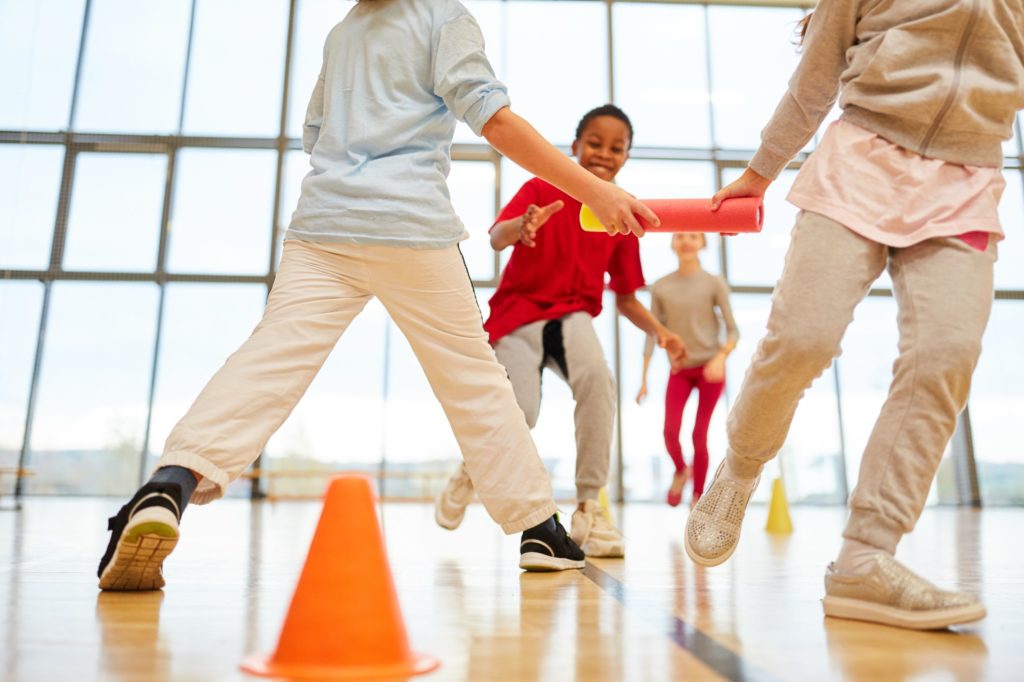
While some may consider gym class a second-rate period for kids to blow off steam and fill some time in the school day, the benefits are quite intriguing. From improving health on a physical and emotional level to promoting social skills, this class needs more notoriety. While it may not be considered an academic class in many curriculums, it is just as important because of the benefits of physical education.
Physical activity can have a significant impact on people of all ages, but it is particularly important for school-aged children. As children grow and learn, this is one facet of their development that should not be overlooked. It is so beneficial, in fact, that schools should have mandatory physical education (P.E.) time built into their curriculum if they do not already.
Physical Benefits
It is well-documented knowledge that exercising for at least 30 minutes daily is a great way to stay physically healthy. Physical health can delay the onset of disease and statistically increase lifespans. Daily P.E. classes, particularly at the junior high and high school levels, are a great way to keep teens active who might otherwise begin an early onset to a sedentary lifestyle.
With this class built into their school day, students do not have to be involved in extracurricular activities or get a gym membership to achieve this recommended daily level of exercise. Not only is this convenient for them while they are a student, they are also being taught many skills by their coach and teacher, which will likely encourage them to continue participating in these lifelong activities well beyond high school.
It is clear that physical health contributes to living longer, but it can also be a cause for improving the quality of life. Physical activity is vital for promoting long-term health. It also contributes to health benefits beyond the physical sense.
It can also have positive effects on mental health as well. This is becoming even more important for students, because mental health is an alarming issue for young people, particularly during the pandemic.
Psychological Benefits
It is no secret that many teenagers go through phases where they struggle with self-body image issues. Weight gain can be a major issue with young people physically speaking and psychologically, which can contribute to mental health issues.
Regular exercise achieved in physical education classes can combat this issue. Exercise also has other benefits to promote mental health, such as reduced stress, improved mood, better self-esteem, and increased mental alertness. All of these benefit students in highly positive ways.

Looking for a graduate program?
In an era when students are struggling with mental health at an alarming rate, physical education classes can certainly help combat this major issue. The pandemic has caused so many students and adults issues in coping with mitigations and government mandates. Teens already had a high rate of mental health problems before the pandemic. Still, the COVID-19 pandemic strategies worsened existing mental issues among students and created brand new ones in others.
It is more important now than ever before to find ways to curb these issues. Requiring students to have 30 minutes of daily activity through physical education class can assist students with their coping mechanisms and reduce depression and suicidal thoughts.
Social and Emotional Benefits
There are certainly some characteristics that young people can build upon by staying active, which is another benefit of physical education in schools. Many athletes can have the opportunity to develop their leadership skills by being active and on a team. Being a part of a team is something that almost everyone will someday have to experience. Physical education classes are structured and organized with team activities, preparing students for real-life team situations.
They can develop their social skills with classmates, and they will likely boost their academic performance also. Being physically active and working toward goals or benchmarks, particularly on a team, can create confidence as well. As relationships form by being part of a team, peer acceptance is sure to follow suit, along with the ability to have empathy for others.
The pandemic didn’t just disrupt physical education; it revolutionized it. While the 2020-2021 school year was an uphill battle defined by “no-touch” rules and shuttered facilities, those constraints forced educators to think outside the traditional gymnasium box. By stripping away the reliance on locker rooms and standard team sports, P.E. programs were forced to diversify, ultimately creating a more inclusive and resilient curriculum for the future.
Early restrictions on shared equipment and close-contact sports led to a significant shift toward individual wellness and lifelong fitness. Teachers began prioritizing activities that students could do anywhere, such as:
- Yoga and Mindfulness: Focusing on mental health and flexibility.
- Bodyweight Training: Teaching students that they don’t need a weight room to stay strong.
- Outdoor Exploration: Utilizing local parks and trails, moving the “classroom” beyond four walls.
The temporary suspension of P.E. uniforms and locker room access actually highlighted how these traditions can sometimes act as barriers to participation. Today, many schools have adopted more flexible policies that prioritize movement over ceremony. This shift has made physical activity more accessible and less intimidating for students who previously felt sidelined by the rigid structures of “gym class.”
If the pandemic taught us anything, it’s that physical activity is a cornerstone of community health. The “sabbatical” from organized sports reminded parents, students, and educators alike of the vital role P.E. plays in social-emotional development.
Modern P.E. now blends the best of both worlds: the return of team sports and equipment with a new, permanent focus on independent, lifelong health habits.
By moving past the initial relief of reopened gyms, we can see that the pandemic provided a unique blueprint for a more adaptable, holistic approach to fitness, one that ensures students carry a love for movement with them long after they leave the playing field.
Educators never stop learning; check out our available graduate degree programs to hone your skills and promote lifelong learning and academic excellence.